SCROLL TO READ MORE
Inspiring business stories from the Heart of Berks County

The most honest measure of what FGC’s impact is can’t be found in a program description. It's what happens after someone decides to ask for help.
FGC's mission is to empower people to improve the quality of their lives—whatever that means to each individual person, at whatever stage of life they're in.
Self-Actualization
Evidence-based approaches like DBT, EMDR and trauma-focused therapy give clients concrete tools—skills they can use on their own, in their relationships and in their daily lives—so progress belongs to them.
Esteem
From individual therapy to Dialectical Behavior Therapy (DBT) skills groups, a men's group, a postpartum support group and school-based programs, FGC builds spaces where people feel less alone in what they're going through.
Love & Belonging
When someone arrives in crisis, clinicians assess and stabilize, connecting clients to a higher level of care if needed or pairing them with an in-house therapist.
Safety
FGC's case managers connect clients to community resources—and a sliding scale fee structure ensures that cost alone is never the reason someone goes without care.
Physiological (the foundation)





Growth is rarely comfortable. It tends to show up uninvited—in the middle of a hard season, a relationship that's breaking down, a version of yourself that isn't working anymore. Most people, at some point, will face something they can't think their way through alone. That's not a flaw. That's just being human. The willingness to sit with that discomfort, to ask for help, to do the slow and sometimes unglamorous work of personal transformation? That takes real courage. FGC has spent more than a century making sure that when people find that courage, there's somewhere worthy of it to go.
As long as Berks County grows, as long as people face hard things, FGC will be looking for the next place to show up and the next person who needs to know that getting better is possible. If that person is you (or someone you love) they're ready. Reach out at familyguidancecenter.com or call (610) 374-4963.
Were you moved by this story? Family Guidance Center is a nonprofit that depends on community support to keep its doors open to everyone. If you'd like to get involved, through a donation, volunteering or sponsoring the Mind Your Health event, visit familyguidancecenter.com to learn more.

Explore Bell Media Group's Marketing Magic in Berks County.
a


Interested in learning more about a GRCA membership and a chance to be featured in an upcoming feature story?
Want to explore additional Growth & Transformation Stories from Reading, PA.? Visit the GRCA's dedicated webpage.

Being a United Way partner agency, grants and community donations fill what insurance won't. Without them, the expanded locations, the school-based programs, the free community services—none of it would exist.
Every expansion FGC has made has been a response to something real. A school district where kids couldn't get to Wyomissing for an appointment. A corner of Berks County with limited access to services. A community partner with space and a shared mission. The growth follows the need—it always has.
Today, FGC operates four locations across the county. The Wyomissing main office anchors therapy and psychiatric services. Satellite locations in Boyertown, Hamburg and Kutztown bring outpatient care closer to the communities that need it. Clinicians go directly into every school in the Hamburg and Kutztown school districts. Sessions happen inside Olivet Boys & Girls Club. The Berks County chapter of the National Alliance on Mental Illness (NAMI) holds its family support groups in FGC's space.
The Annual Mind Your Health event is a free, family-friendly community event held each spring, it reflects the same instinct: get in front of people before a crisis develops and make mental health feel like something for everyone.
"We have such wonderful staff that always bring their skills to the table, and they just keep saying ‘yes’," says McConnell.
What makes all of it possible is a conversation that doesn't always happen alongside the clinical work: funding. Insurance reimbursement rates for mental health services haven't kept pace with the actual cost of care, and haven't seen meaningful increases in years. For a nonprofit committed to turning no one away, that gap is constant.
the Need


The pandemic is perhaps the sharpest example of how quickly the field can be forced to evolve. Telehealth had not been reimbursable in outpatient behavioral health in Pennsylvania before 2020; then, it became a necessity almost overnight, with regulations shifting sometimes twice a day as providers and payers scrambled to adapt. FGC did. Today, telehealth is a permanent part of how care is delivered, and a reminder that how treatment gets to people is just as subject to change as the treatment itself.
The needs of the clients coming through the door have shifted too—children with social skills gaps, teenagers relearning how to be present with other people, young adults whose pandemic-era coping strategies don't hold up in the real world. The science keeps moving and the landscape keeps changing, but the clinical team at FGC keeps pace with both.
Mental health treatment in 1966 looked almost nothing like it does today. The field has been in near-constant motion—advancing through new research, new clinical frameworks and a growing recognition that the science of the mind deserves the same rigor as any other branch of medicine.
"It seems like every time I turn my computer on, I have 10 emails for different trainings that are available,” says Clinical Director Toni Gerhart, M.A., L.P.C., with a smile. “There's always a new technique you can learn."
At FGC, that evolution shows up across the clinical team. Several therapists are certified in EMDR for trauma treatment. Eight clinicians are trained in DBT, an evidence-based approach that teaches concrete life skills—mindfulness, emotion regulation, distress tolerance, interpersonal effectiveness—to clients who need more than talk therapy alone. The DBT program serves adults and adolescents, is covered by most insurances and currently has a waitlist. "By learning these skills," Toni explains, "clients develop a radical acceptance of what they're dealing with, and also how they can cope with it."
Another distinguishing element of FGC’s practice is the presence of four psychiatric prescribers. For clients whose treatment includes medication, there's no separate referral and no gap in the care relationship. A therapist can consult down the hall. Lab work can be ordered on the spot. Therapy and psychiatric care under one roof means both the client and the care team get a much fuller picture.
Still, barriers remain—among men, across certain cultural communities, and in parts of Berks County where attitudes haven't yet caught up with the science. FGC doesn't wait for those populations to find their way in. Bilingual clinicians, school-based programs and sliding scale fees mean that when someone is ready, the path to care is as short as possible.
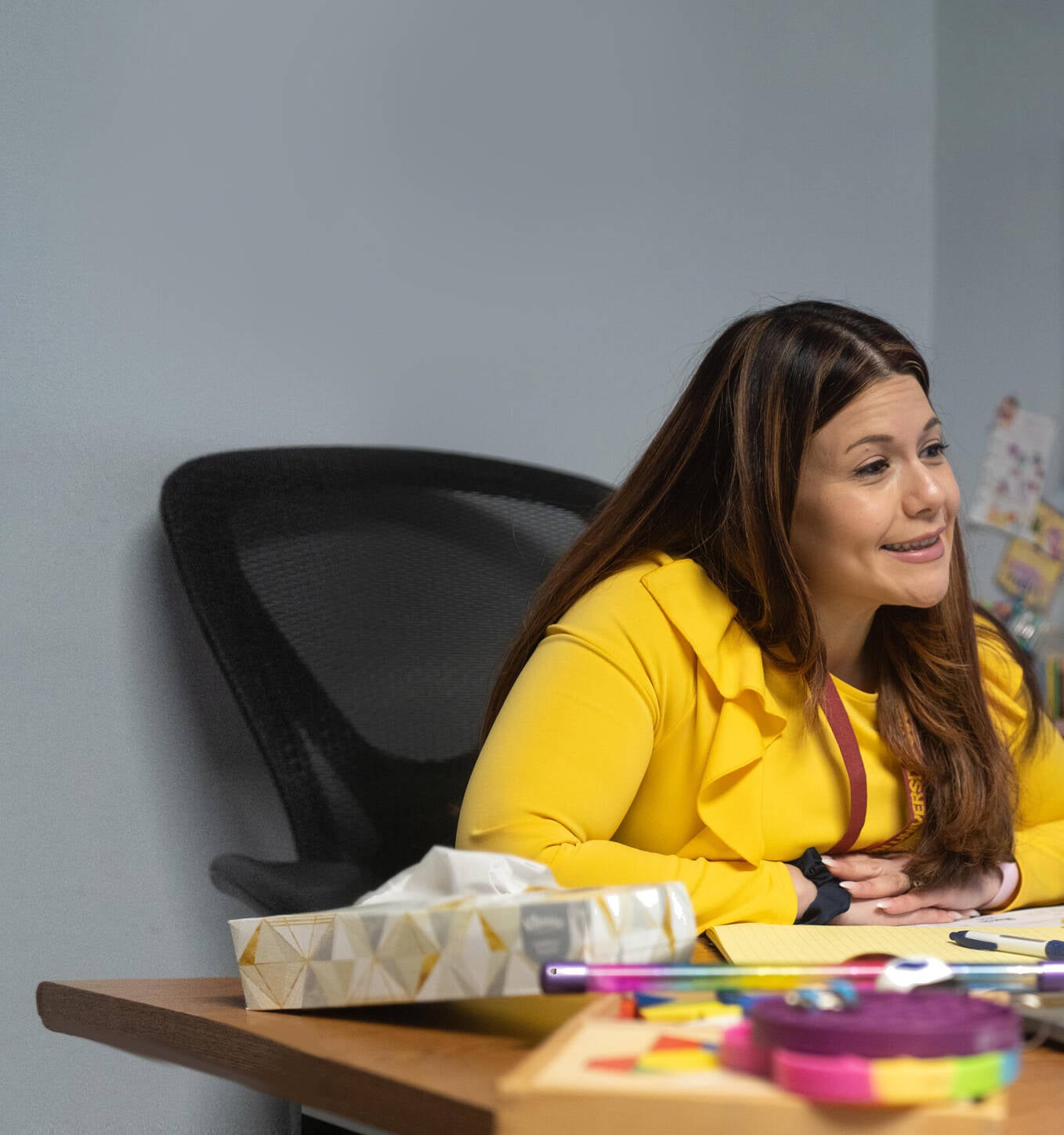
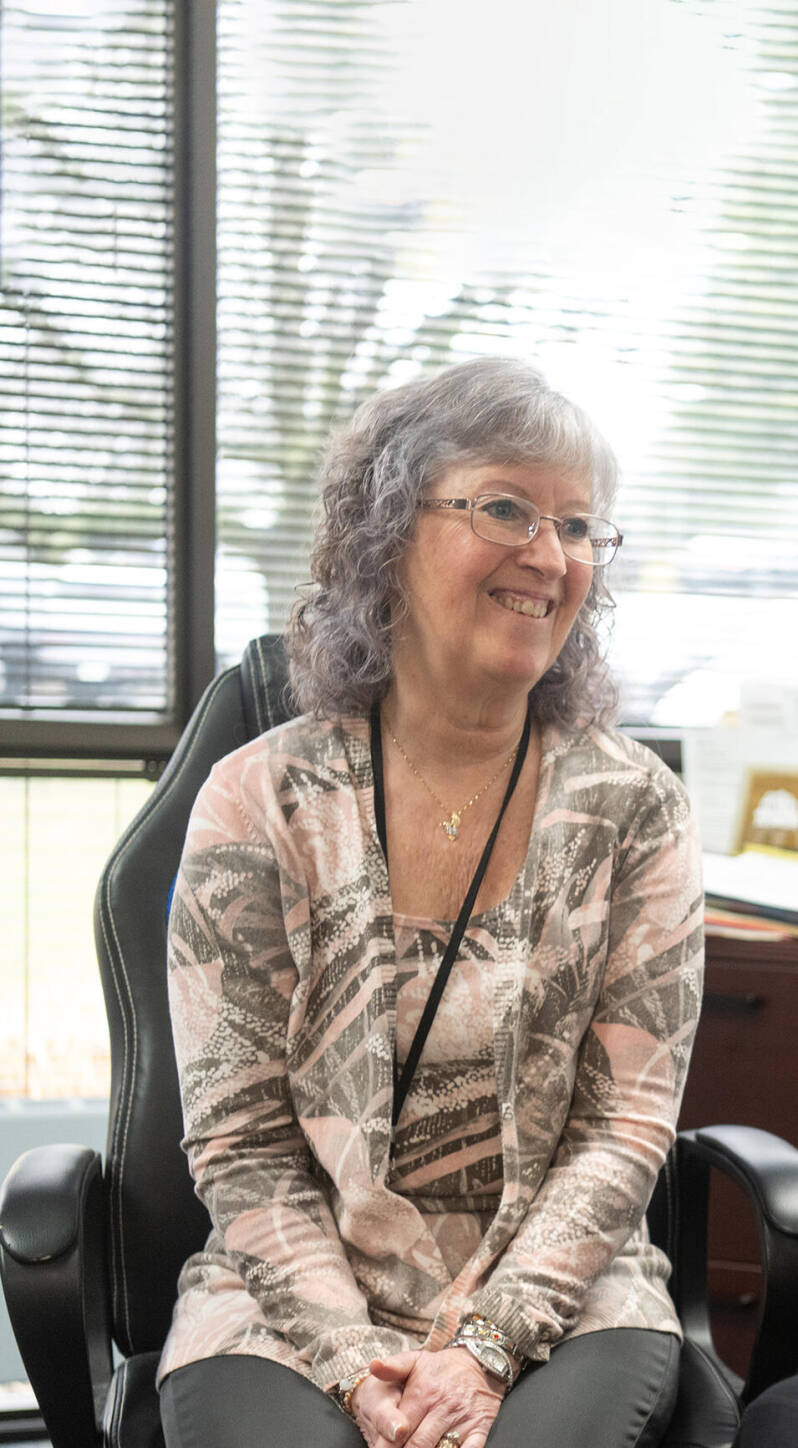
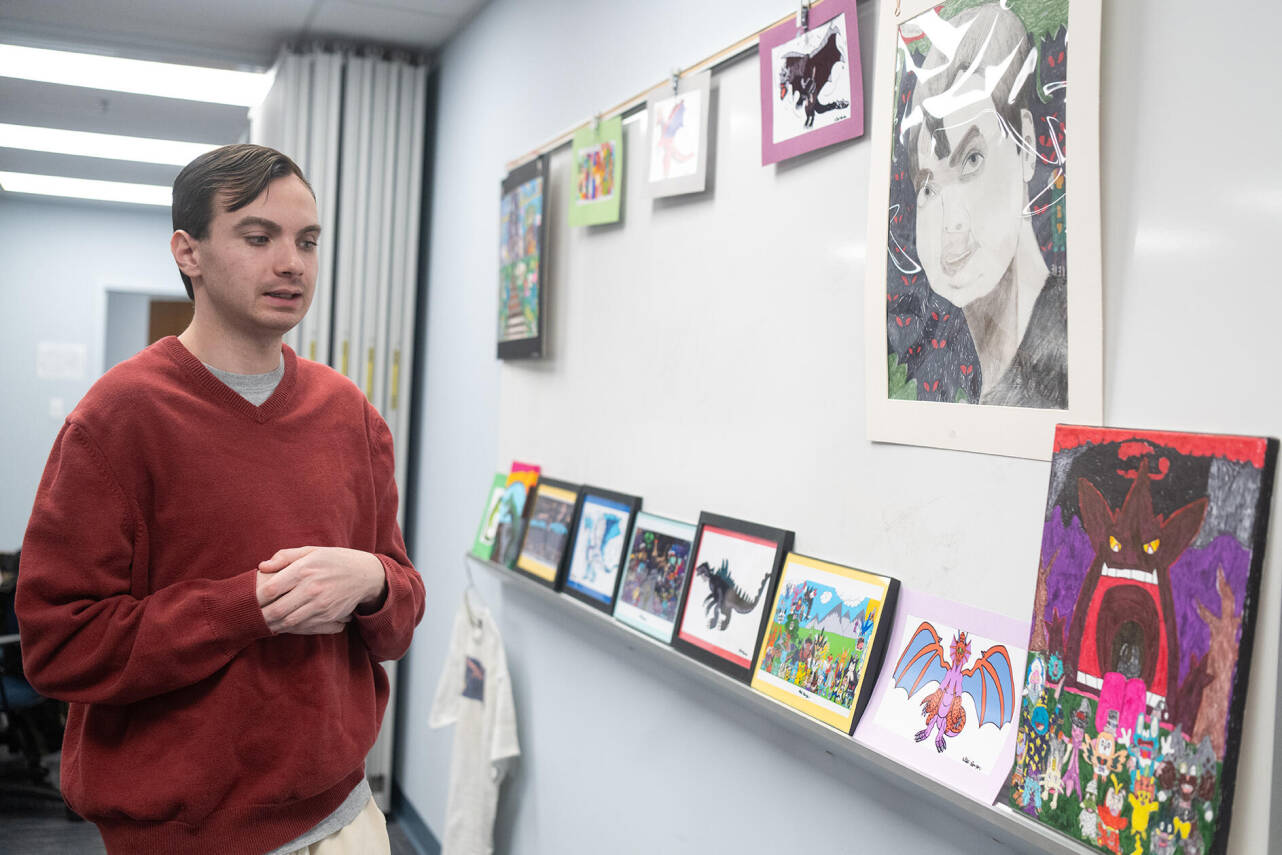
When you walk into Family Guidance Center, you'll meet people at every stage of life: a preschooler referred through an early education program, a teenager working through anxiety after years of remote school, a parent managing stress through an Employee Assistance Program (EAP), an older adult navigating grief. The agency sees them all, offering services in both English and Spanish.
When someone arrives in crisis, staff assess, stabilize and connect. If a client needs a higher level of care, they get it. If they can be served in-house, a clinician is matched. "Everyone is welcome at Family Guidance Center," says Ingrid Valerio, M.S.W., L.S.W. "It doesn't matter about their socioeconomic status; it doesn't matter if they have insurance or not; it doesn't matter about anything that could cause differences in society as a whole."
The team also thinks carefully about what keeps people from asking for help in the first place. For decades, seeking mental health support carried a social weight that kept people from reaching out—a perception that therapy was a last resort, or something for “other kinds” of people. That stigma hasn't disappeared, but it has shifted. More people are talking publicly about their experiences. More employers are taking it seriously. More families are having conversations with their kids early rather than waiting for a crisis.


The organization now known as Family Guidance Center (FGC) traces its roots to 1902, when Family Services of Reading and Berks County was founded in response to the socioeconomic challenges of the era. Over the following decades, two more organizations emerged alongside it—the Guidance Institute and the Children's Aid Society. In 1966, all three merged under one name: Family Guidance Center.
The merger was a turning point. Where each organization had been solving pieces of a larger puzzle, together they could address mental health, family support and children's services under one roof and one mission. That mission—to promote and support the personal and professional growth of adults, children and families in Berks County—has not changed in the nearly 60 years since.
What has changed is everything else. FGC grew from two suites at 1235 Penn Ave. to its current main office in Wyomissing, adding satellite locations in Boyertown, Hamburg and Kutztown along the way. Staff who once worked in a single setting now deliver services inside school districts, community partner sites and through telehealth platforms. A clinical team of more than 26 professionals brings specializations ranging from trauma and Eye Movement Desensitization and Reprocessing (EMDR) Therapy to Dialectical Behavior Therapy, play therapy and autism spectrum services and cognitive behavioral therapy.
The throughline from 1902 to today isn't any single program or service; rather, it’s a philosophy. Family Guidance Center has always oriented its course toward whoever needs help most, expanding its reach one relationship, one collaboration and one new client at a time. "It's always been about meeting that need," says Kim McConnell, Executive Director. "We're always looking to see what's happening in the community and how we can support."
Some people come in at their lowest point. Others come in before it gets there. Some are just four years old and while others are pushing 80. They speak English and Spanish. Many found their way here when a pediatrician, a school counselor, a coworker or loved one said “you know, you really should talk to someone.” Since 1902, Family Guidance Center has been the place Berks Countians in need rely upon—and more than 120 years later, it’s still answering the call.

Inspiring business stories from the Heart of Berks County
The most honest measure of what FGC’s impact is can’t be found in a program description. It's what happens after someone decides to ask for help.
Interested in learning more about a GRCA membership and a chance to be featured in an upcoming feature story?
Want to explore additional Growth & Transformation Stories from Reading, PA.? Visit the GRCA's dedicated webpage.
Explore Bell Media Group's Marketing Magic in Berks County.
a


Growth is rarely comfortable. It tends to show up uninvited—in the middle of a hard season, a relationship that's breaking down, a version of yourself that isn't working anymore. Most people, at some point, will face something they can't think their way through alone. That's not a flaw. That's just being human. The willingness to sit with that discomfort, to ask for help, to do the slow and sometimes unglamorous work of personal transformation? That takes real courage. FGC has spent more than a century making sure that when people find that courage, there's somewhere worthy of it to go.
As long as Berks County grows, as long as people face hard things, FGC will be looking for the next place to show up and the next person who needs to know that getting better is possible. If that person is you (or someone you love) they're ready. Reach out at familyguidancecenter.com or call (610) 374-4963.
Were you moved by this story? Family Guidance Center is a nonprofit that depends on community support to keep its doors open to everyone. If you'd like to get involved, through a donation, volunteering or sponsoring the Mind Your Health event, visit familyguidancecenter.com to learn more.

Being a United Way partner agency, grants and community donations fill what insurance won't. Without them, the expanded locations, the school-based programs, the free community services—none of it would exist.

Every expansion FGC has made has been a response to something real. A school district where kids couldn't get to Wyomissing for an appointment. A corner of Berks County with limited access to services. A community partner with space and a shared mission. The growth follows the need—it always has.
Today, FGC operates four locations across the county. The Wyomissing main office anchors therapy and psychiatric services. Satellite locations in Boyertown, Hamburg and Kutztown bring outpatient care closer to the communities that need it. Clinicians go directly into every school in the Hamburg and Kutztown school districts. Sessions happen inside Olivet Boys & Girls Club. The Berks County chapter of the National Alliance on Mental Illness (NAMI) holds its family support groups in FGC's space.
The Annual Mind Your Health event is a free, family-friendly community event held each spring, it reflects the same instinct: get in front of people before a crisis develops and make mental health feel like something for everyone.
"We have such wonderful staff that always bring their skills to the table, and they just keep saying ‘yes’," says McConnell.
What makes all of it possible is a conversation that doesn't always happen alongside the clinical work: funding. Insurance reimbursement rates for mental health services haven't kept pace with the actual cost of care, and haven't seen meaningful increases in years. For a nonprofit committed to turning no one away, that gap is constant.
the Need

The pandemic is perhaps the sharpest example of how quickly the field can be forced to evolve. Telehealth had not been reimbursable in outpatient behavioral health in Pennsylvania before 2020; then, it became a necessity almost overnight, with regulations shifting sometimes twice a day as providers and payers scrambled to adapt. FGC did. Today, telehealth is a permanent part of how care is delivered, and a reminder that how treatment gets to people is just as subject to change as the treatment itself.
The needs of the clients coming through the door have shifted too—children with social skills gaps, teenagers relearning how to be present with other people, young adults whose pandemic-era coping strategies don't hold up in the real world. The science keeps moving and the landscape keeps changing, but the clinical team at FGC keeps pace with both.
Mental health treatment in 1966 looked almost nothing like it does today. The field has been in near-constant motion—advancing through new research, new clinical frameworks and a growing recognition that the science of the mind deserves the same rigor as any other branch of medicine.
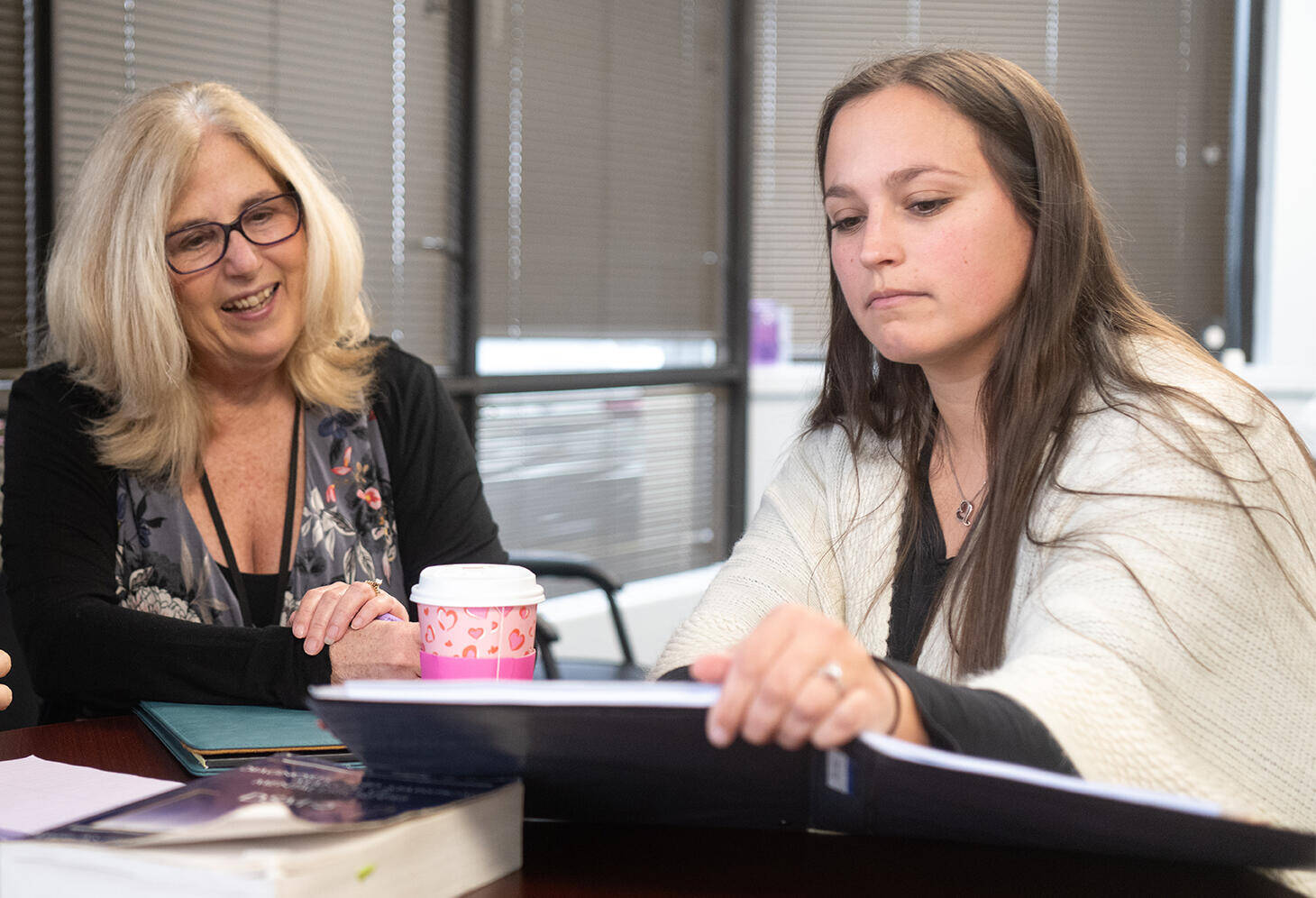
"It seems like every time I turn my computer on, I have 10 emails for different trainings that are available,” says Clinical Director Toni Gerhart, M.A., L.P.C., with a smile. “There's always a new technique you can learn."
At FGC, that evolution shows up across the clinical team. Several therapists are certified in EMDR for trauma treatment. Eight clinicians are trained in DBT, an evidence-based approach that teaches concrete life skills—mindfulness, emotion regulation, distress tolerance, interpersonal effectiveness—to clients who need more than talk therapy alone. The DBT program serves adults and adolescents, is covered by most insurances and currently has a waitlist. "By learning these skills," Toni explains, "clients develop a radical acceptance of what they're dealing with, and also how they can cope with it."
Another distinguishing element of FGC’s practice is the presence of four psychiatric prescribers. For clients whose treatment includes medication, there's no separate referral and no gap in the care relationship. A therapist can consult down the hall. Lab work can be ordered on the spot. Therapy and psychiatric care under one roof means both the client and the care team get a much fuller picture.
FGC's mission is to empower people to improve the quality of their lives—whatever that means to each individual person, at whatever stage of life they're in.
Self-Actualization
Evidence-based approaches like DBT, EMDR and trauma-focused therapy give clients concrete tools—skills they can use on their own, in their relationships and in their daily lives—so progress belongs to them.
Esteem
From individual therapy to Dialectical Behavior Therapy (DBT) skills groups, a men's group, a postpartum support group and school-based programs, FGC builds spaces where people feel less alone in what they're going through.
Love & Belonging
When someone arrives in crisis, clinicians assess and stabilize, connecting clients to a higher level of care if needed or pairing them with an in-house therapist.
Safety
FGC's case managers connect clients to community resources—and a sliding scale fee structure ensures that cost alone is never the reason someone goes without care.
Physiological (the foundation)






Still, barriers remain—among men, across certain cultural communities, and in parts of Berks County where attitudes haven't yet caught up with the science. FGC doesn't wait for those populations to find their way in. Bilingual clinicians, school-based programs and sliding scale fees mean that when someone is ready, the path to care is as short as possible.
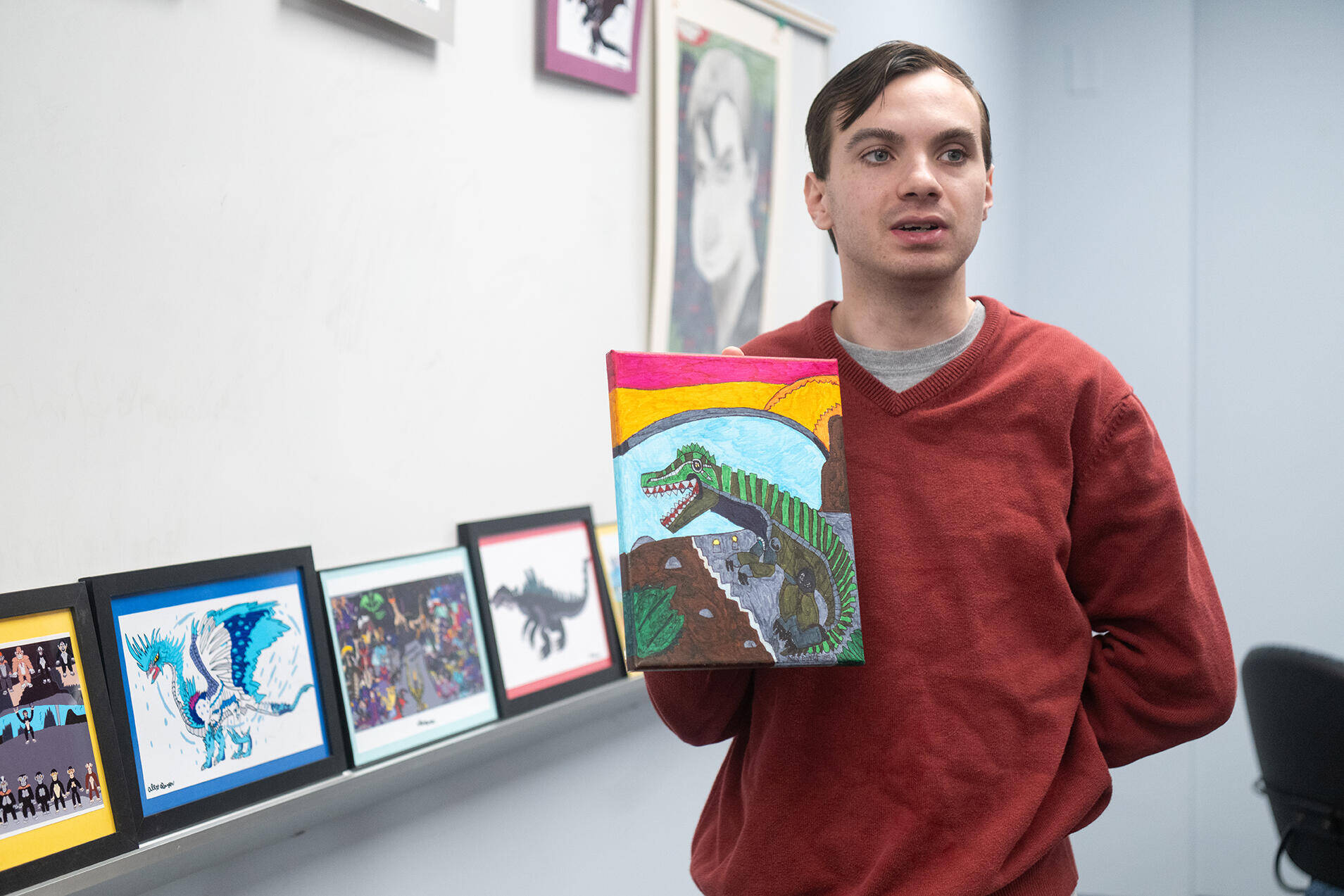
When you walk into Family Guidance Center, you'll meet people at every stage of life: a preschooler referred through an early education program, a teenager working through anxiety after years of remote school, a parent managing stress through an Employee Assistance Program (EAP), an older adult navigating grief. The agency sees them all, offering services in both English and Spanish.
When someone arrives in crisis, staff assess, stabilize and connect. If a client needs a higher level of care, they get it. If they can be served in-house, a clinician is matched. "Everyone is welcome at Family Guidance Center," says Ingrid Valerio, M.S.W., L.S.W. "It doesn't matter about their socioeconomic status; it doesn't matter if they have insurance or not; it doesn't matter about anything that could cause differences in society as a whole."
The team also thinks carefully about what keeps people from asking for help in the first place. For decades, seeking mental health support carried a social weight that kept people from reaching out—a perception that therapy was a last resort, or something for “other kinds” of people. That stigma hasn't disappeared, but it has shifted. More people are talking publicly about their experiences. More employers are taking it seriously. More families are having conversations with their kids early rather than waiting for a crisis.

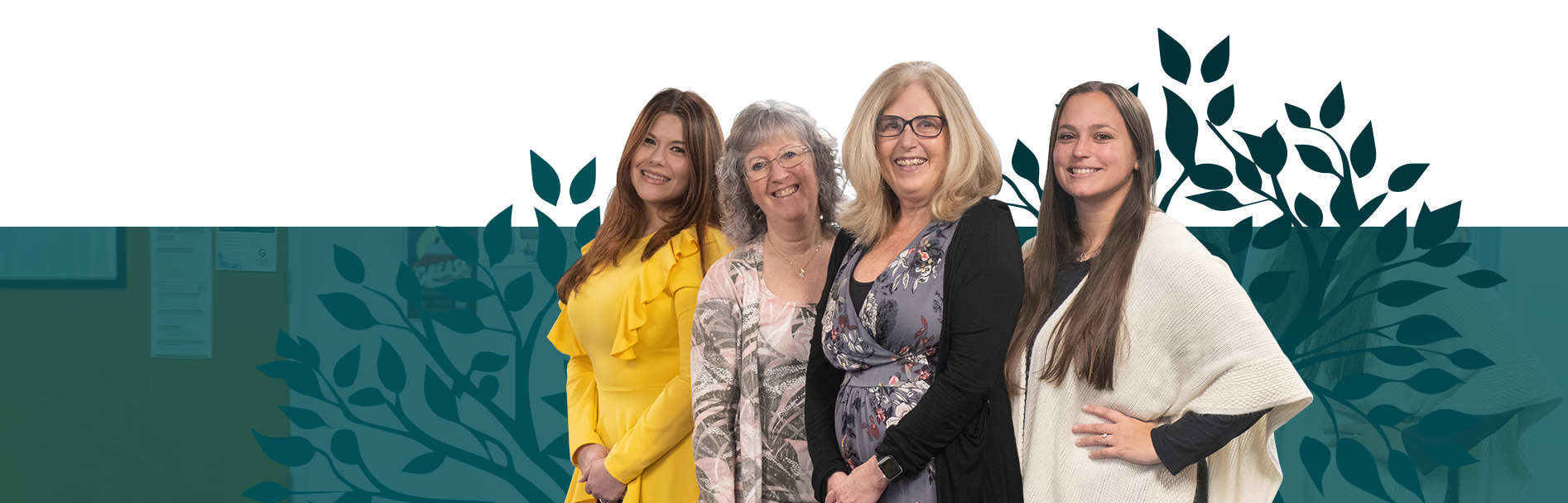
Therapist
Ingrid Valerio, M.S.W., L.C.S.W.
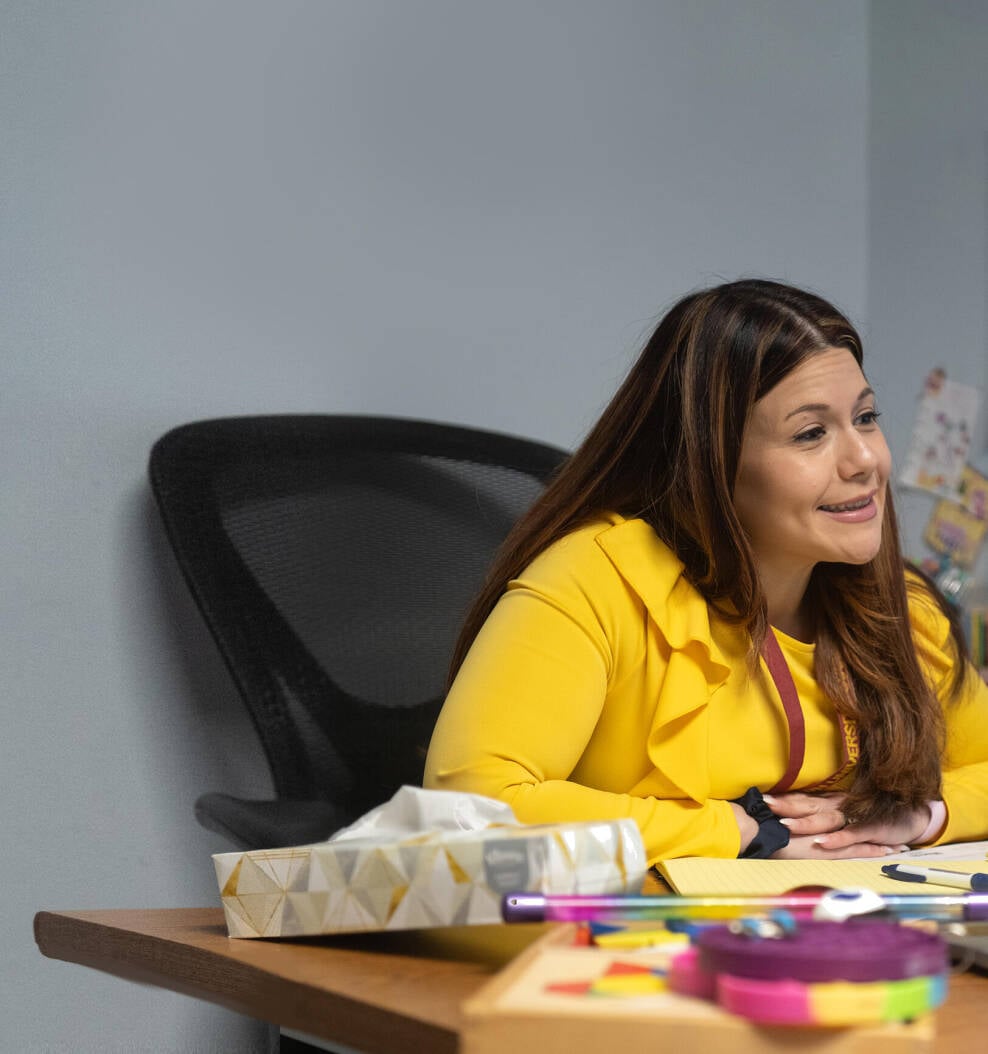
Case Manager & Therapist
Jamie Rothenberger, M.A.

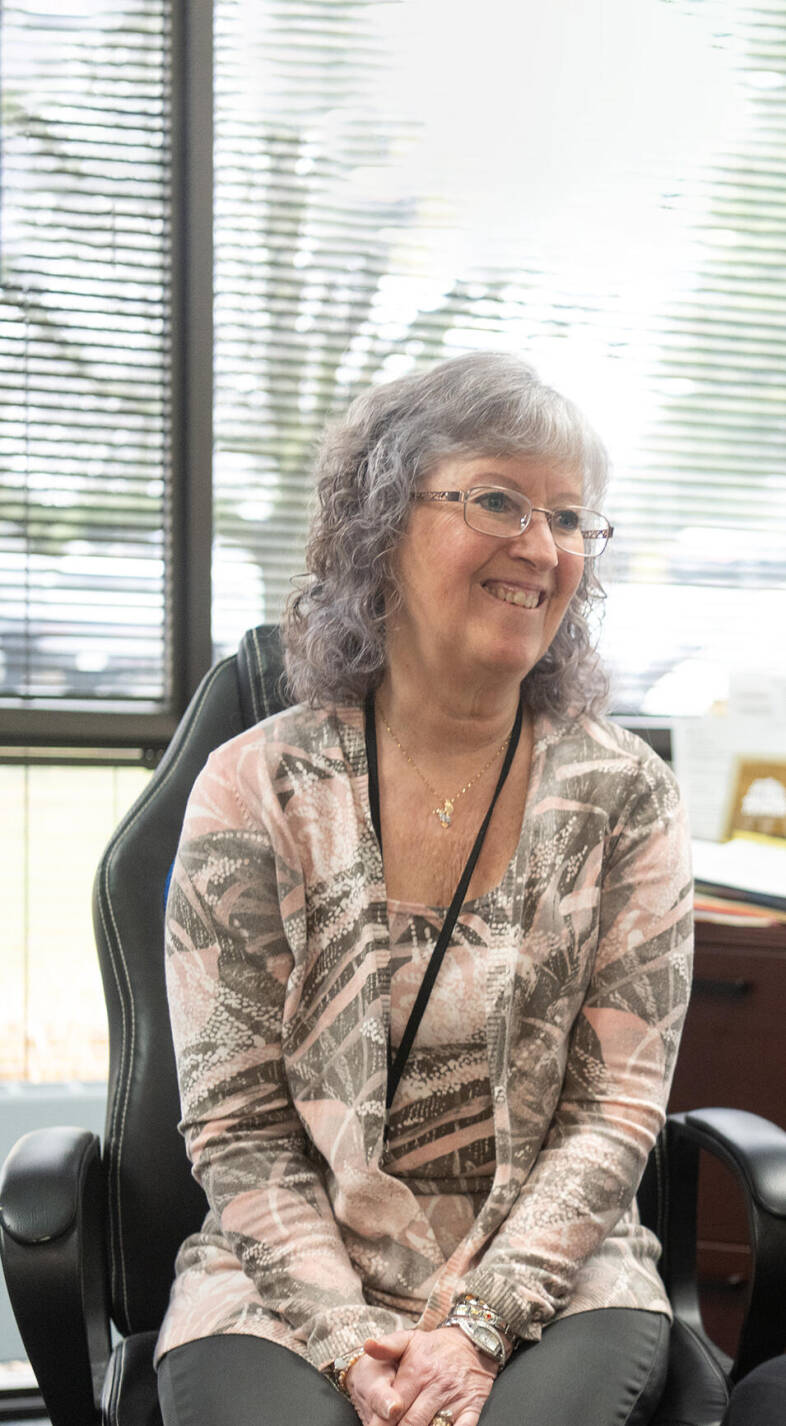
Clinical Director
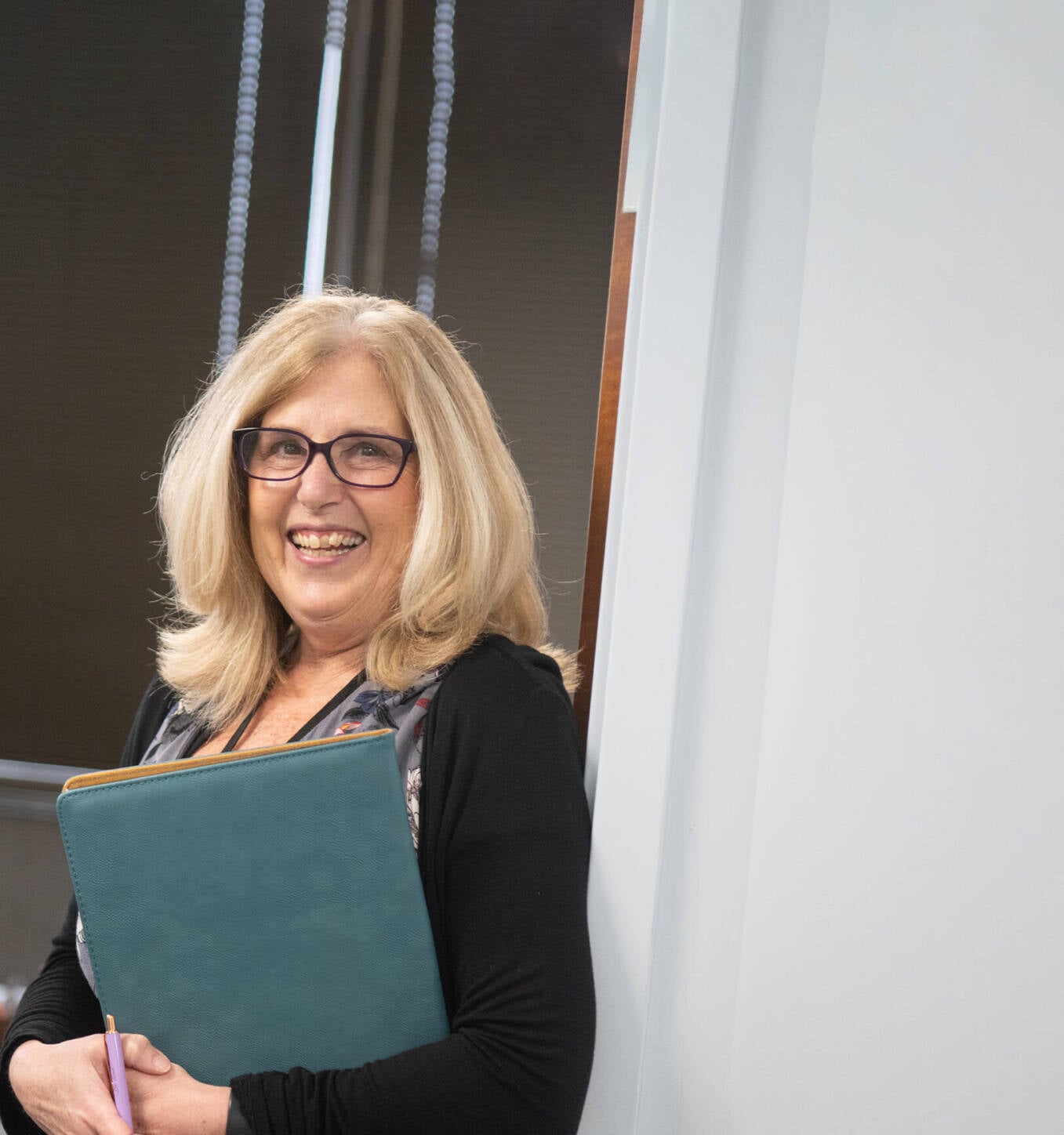
Toni Gerhart, M.A., L.P.C.
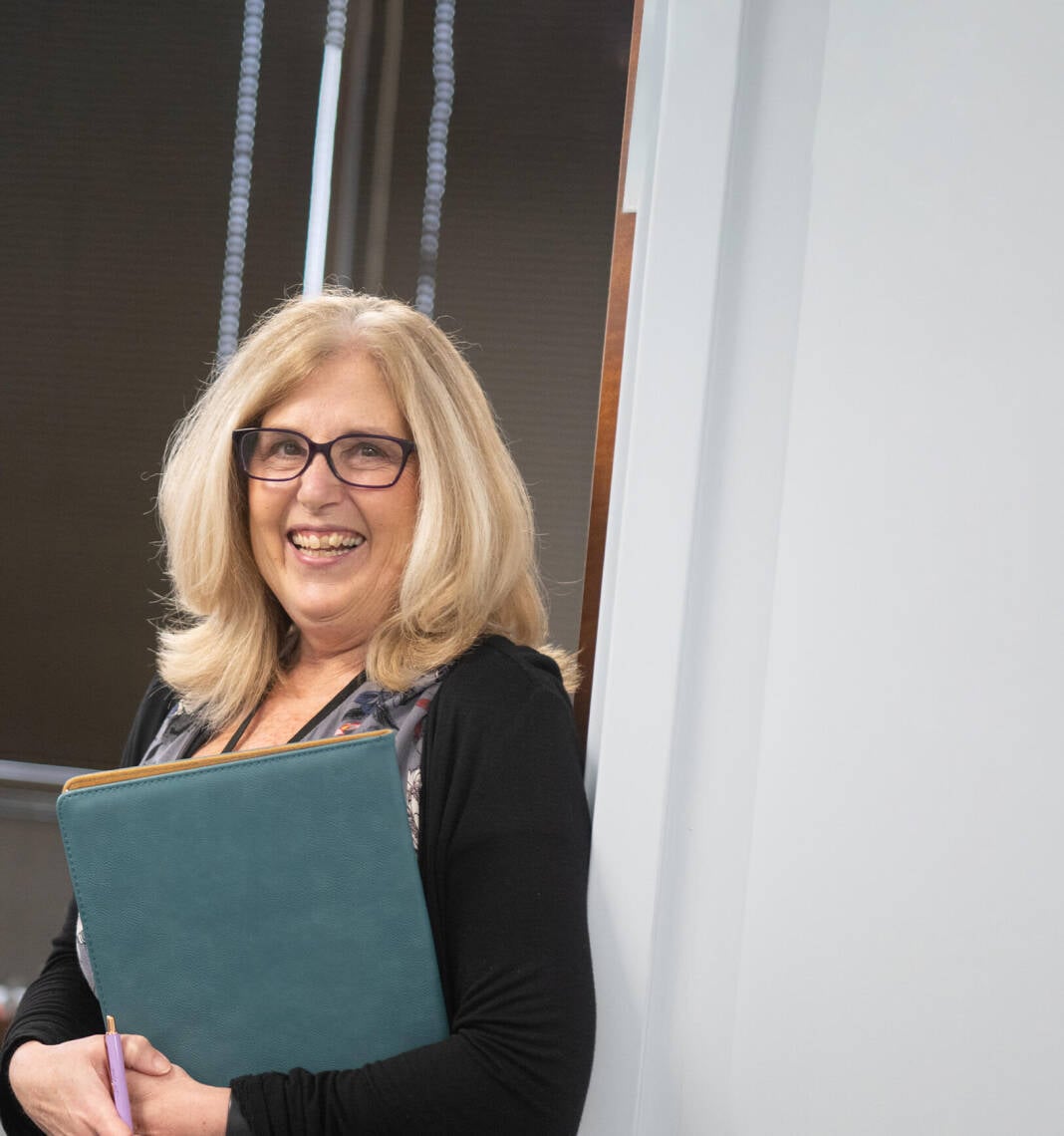
Executive Director
Kimberly McConnell, M.A., L.P.C.
The organization now known as Family Guidance Center (FGC) traces its roots to 1902, when Family Services of Reading and Berks County was founded in response to the socioeconomic challenges of the era. Over the following decades, two more organizations emerged alongside it—the Guidance Institute and the Children's Aid Society. In 1966, all three merged under one name: Family Guidance Center.
The merger was a turning point. Where each organization had been solving pieces of a larger puzzle, together they could address mental health, family support and children's services under one roof and one mission. That mission—to promote and support the personal and professional growth of adults, children and families in Berks County—has not changed in the nearly 60 years since.
What has changed is everything else. FGC grew from two suites at 1235 Penn Ave. to its current main office in Wyomissing, adding satellite locations in Boyertown, Hamburg and Kutztown along the way. Staff who once worked in a single setting now deliver services inside school districts, community partner sites and through telehealth platforms. A clinical team of more than 26 professionals brings specializations ranging from trauma and Eye Movement Desensitization and Reprocessing (EMDR) Therapy to Dialectical Behavior Therapy, play therapy and autism spectrum services and cognitive behavioral therapy.
The throughline from 1902 to today isn't any single program or service; rather, it’s a philosophy. Family Guidance Center has always oriented its course toward whoever needs help most, expanding its reach one relationship, one collaboration and one new client at a time. "It's always been about meeting that need," says Kim McConnell, Executive Director. "We're always looking to see what's happening in the community and how we can support."
Some people come in at their lowest point. Others come in before it gets there. Some are just four years old and while others are pushing 80. They speak English and Spanish. Many found their way here when a pediatrician, a school counselor, a coworker or loved one said “you know, you really should talk to someone.” Since 1902, Family Guidance Center has been the place Berks Countians in need rely upon—and more than 120 years later, it’s still answering the call.